Introduction

The Medicare Advantage (MA) market has faced significant disruption over the last few years, including rising utilization and medical cost, changes to the risk adjustment model, Star Ratings headwinds, and regulatory uncertainty. Amid these market pressures, MA leaders have grappled with an increasingly existential decision: Does a viable path to remain in the MA market exist?  

Leaders recognize that the path to sustainability will require significant transformation. Despite the current challenges and uncertainty, leaders appreciate the strategic importance of this market and express positive sentiment about the long-term opportunity in the Medicare Advantage market. To realize this future potential, leaders are focused on retrenching and setting a strong performance foundation. Actions that leaders take now will determine whether they can achieve sustainability over the next 2–3 years.   

Each year, HealthScape Advisors, a Chartis Company, analyzes the competitive landscape for MA and solicits feedback from health plan leaders to inform that perspective. This year, we received responses from leaders responsible for government programs at more than 35 health plans across the country, including nationals, Blues, and provider-sponsored plans.  

We are publishing the results of our MA executive survey in conjunction with our full enrollment report. This brief provides valuable insights into health plan leaders’ perspectives on the current state of the MA market, outlook, and strategic priorities for the year ahead. 

Executive summary

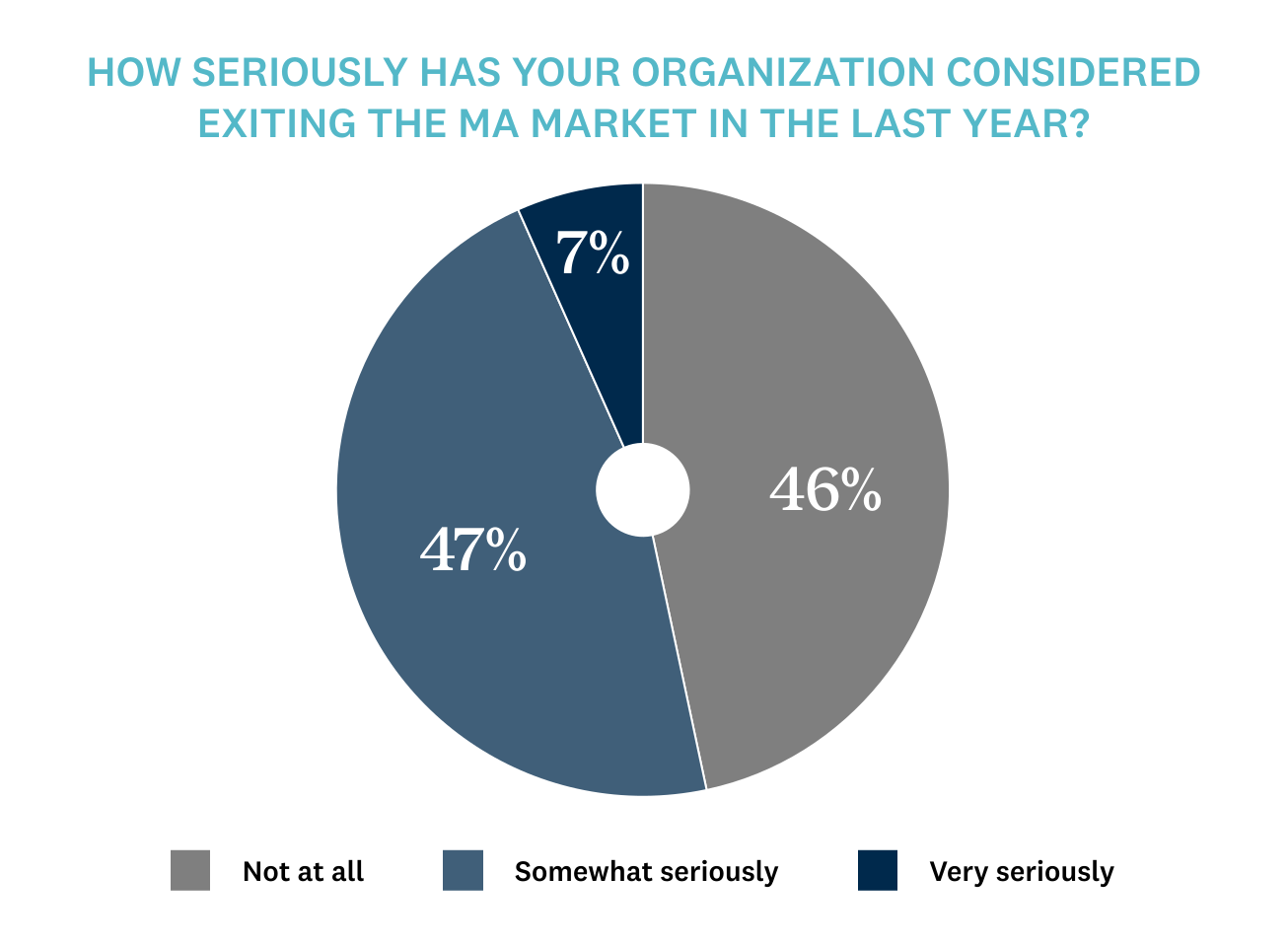
  • Market pressure on plan economics is driving exit decisions. More than half of the leaders surveyed at least “somewhat seriously” considered exiting the MA market in the last year.
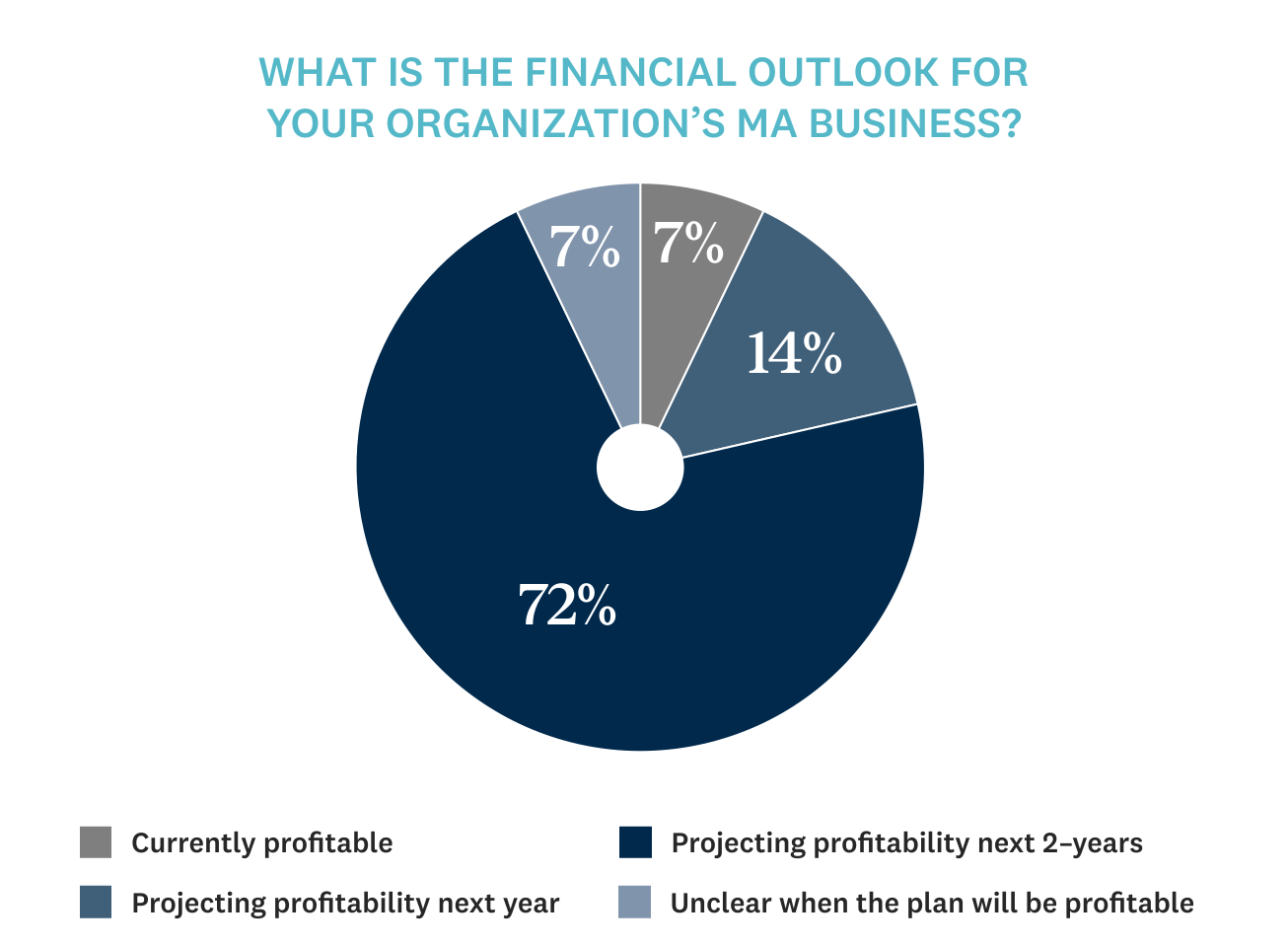
  • The path to profitability is a longer road. 93% of leaders indicated that their MA line of business is not currently profitable, and 79% do not expect to be profitable for at least 2 more years.
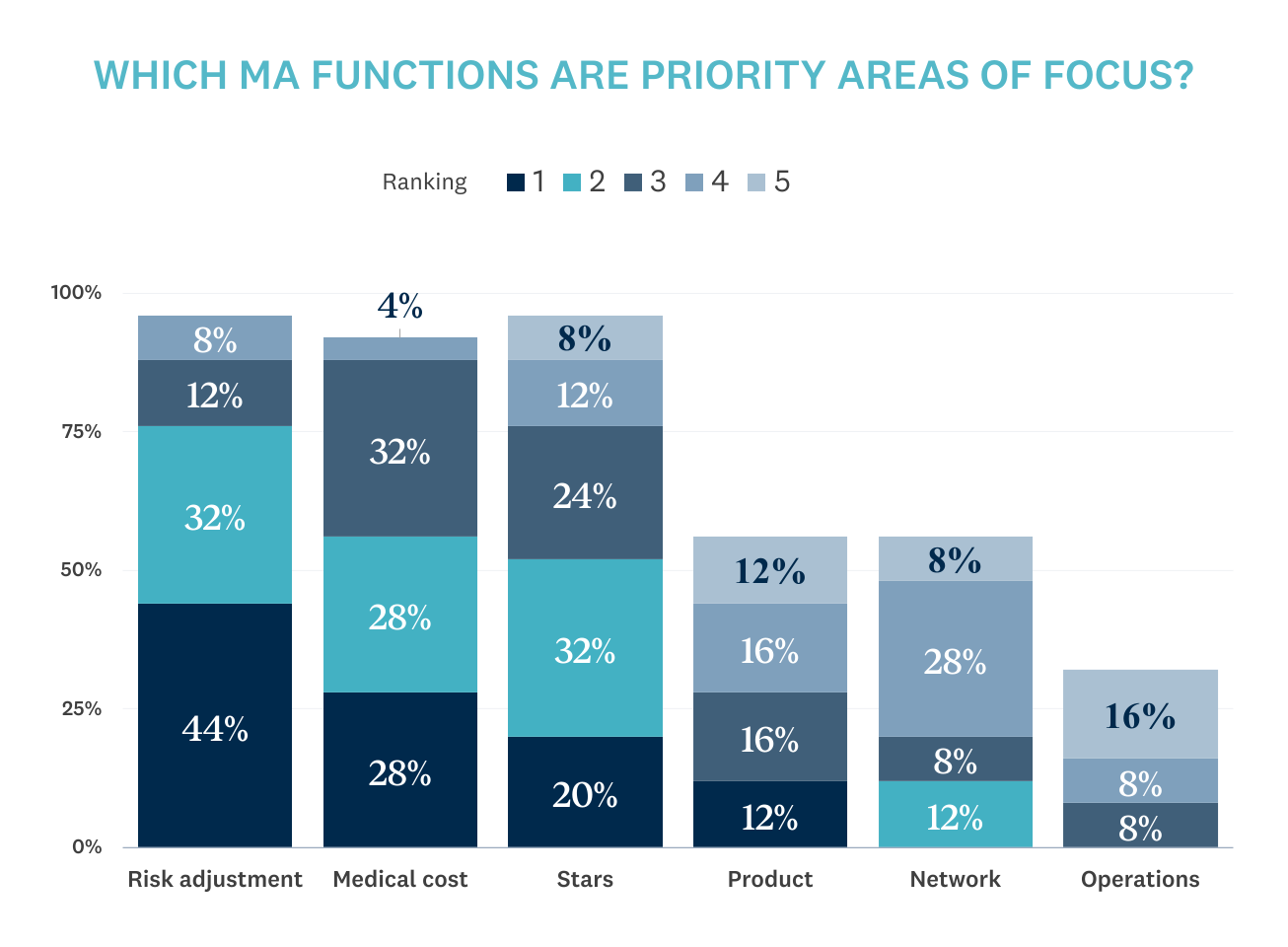
  • Leaders are focused on the fundamentals. Risk adjustment, medical cost, and Star Ratings are the top priorities for MA leaders.
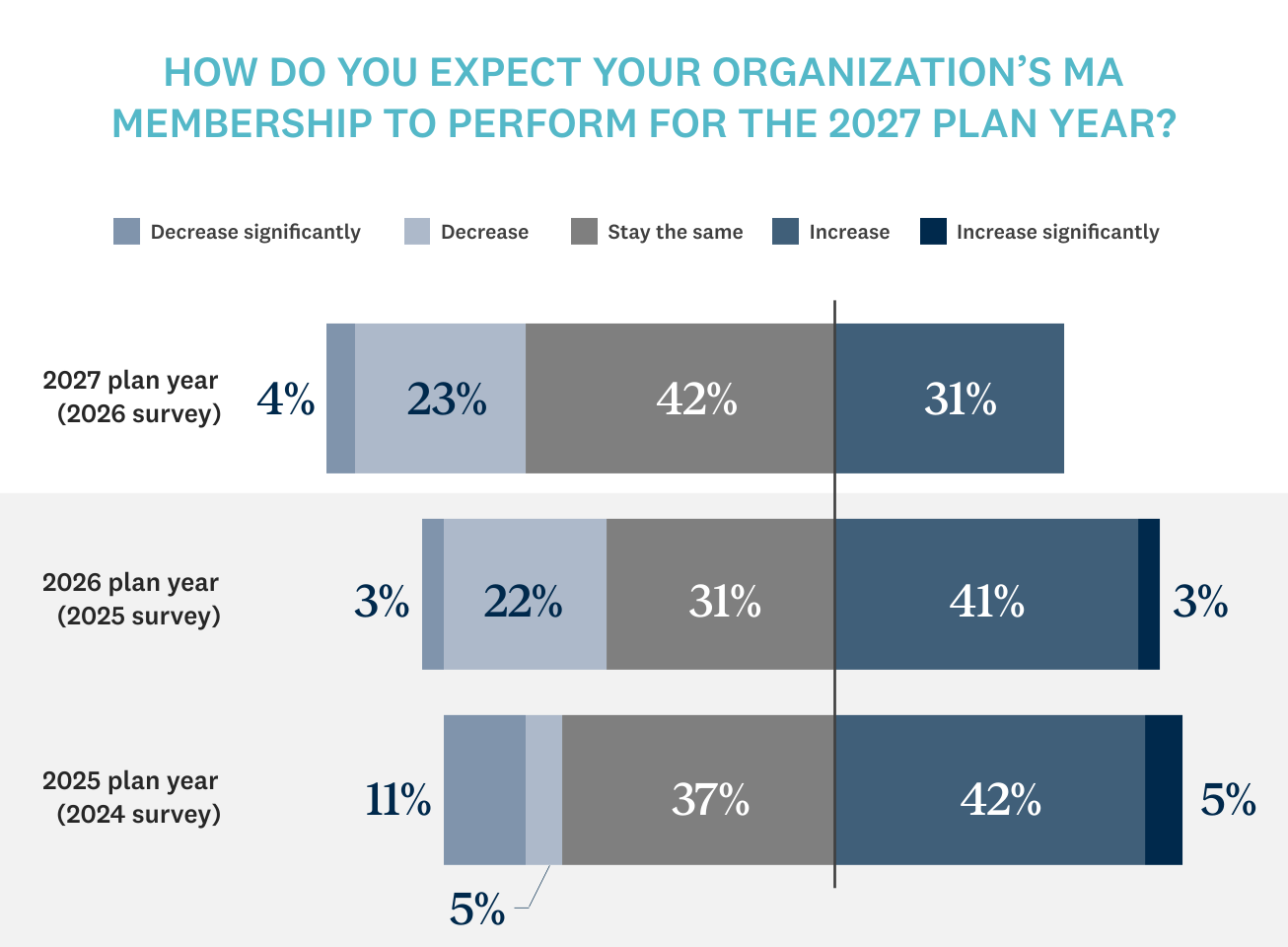
  • Growth expectations are tempered. 69% of leaders expect their enrollment to remain flat or decline in the next year, versus the rapid growth of recent years.
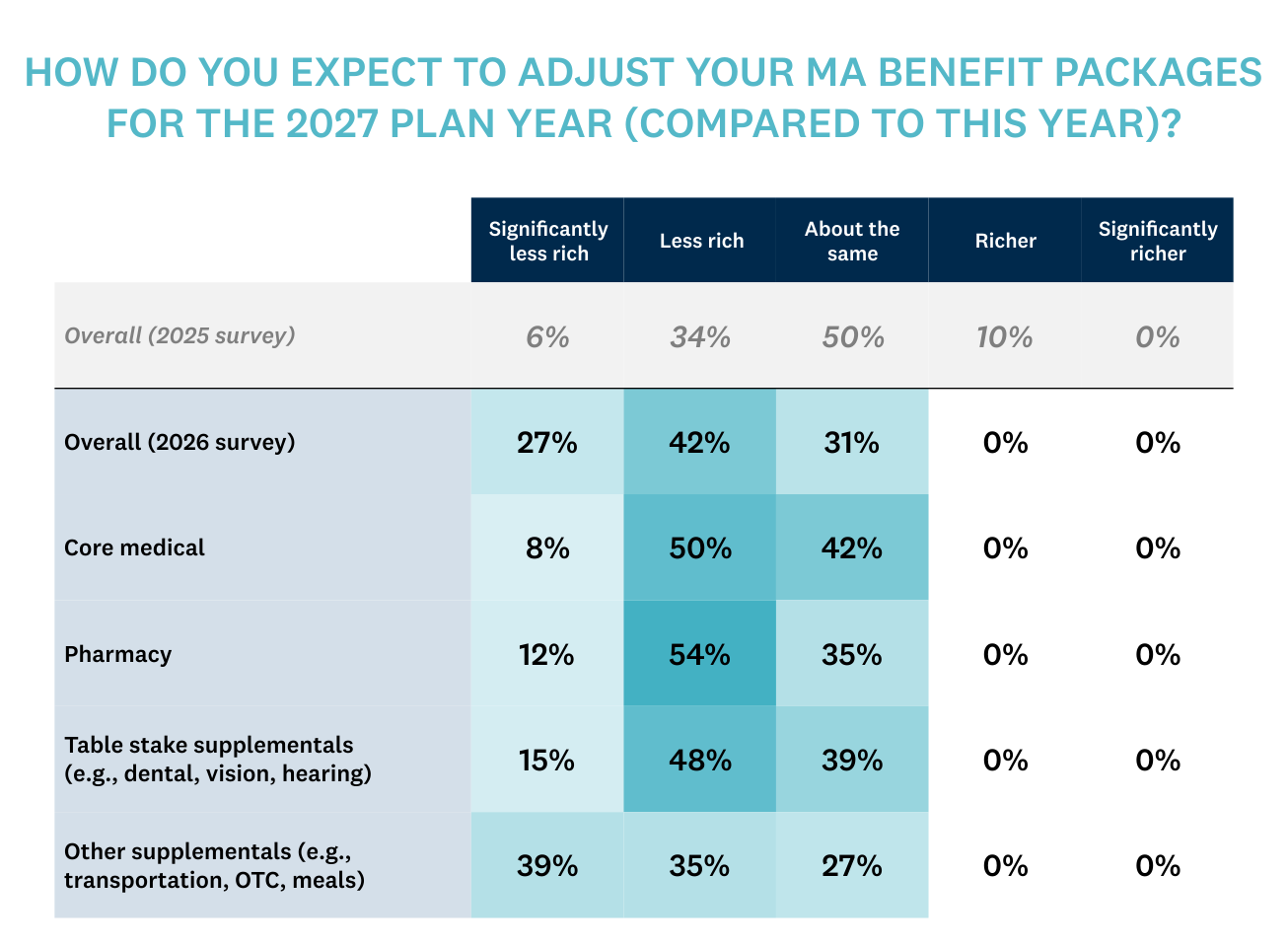
  • Benefits continue to contract. Overall, nearly 70% of leaders expect benefits to be less rich, with the most acute degradation expected for non-core supplemental benefits. Not one leader surveyed expects richer benefits next year.
  • Provider dynamics remain complex. Nearly 90% of leaders expect collaboration and integration with providers to increase, even as network participation risks persist.
  • Structural change is likely required for sustainability. Most leaders indicated that structural changes to benchmark reimbursement/rate methodology are necessary to make MA more sustainable.
  • The long-term industry outlook remains positive. Most leaders view the 5-year outlook for MA positively, despite near-term volatility.

Organizational outlook: MA leaders’ perspectives

Exit decisions: 54% of leaders surveyed at least somewhat seriously considered exiting the MA market in the last year  

In plan year 2026 (PY2026), several plans exited the MA market (e.g., UCare, Samaritan Health, Blue Cross Vermont). Leaders are increasingly reassessing their commitment to MA. These exit considerations are a strong indicator that significant market disruption may continue in the year ahead.  

As leaders consider long-term market viability, we expect health plans will continue to exit unprofitable counties, narrow product offerings, reduce benefits, and prioritize their product portfolio toward specific segments in an attempt to “weather the storm.” 

Path to profitability: Leaders project a medium-term recovery—93% of surveyed health plans are currently unprofitable 

Just 7% of respondents indicated that their MA business is currently profitable. Health plans have been in “turnaround mode” for some time and continue to retrench. One-year corrective actions are likely insufficient.  

The path to profitability will be a multi-year journey for many health plans, with most leaders expecting profitability to return over the next 2–3 years. Profitability will require an enterprise commitment to transform various functions (e.g., product, risk adjustment, Star Ratings/quality, network, medical management, pharmacy) and may require structural changes from the Centers for Medicare & Medicaid Services (CMS). 

Focus on the fundamentals: Risk adjustment, medical cost, and Star Ratings are the highest priority functions for MA leaders 

Leaders shared that their improvement agendas will be focused on coding accuracy, medical cost management, and Star Ratings/quality improvement. Others commented that Part D drug expenses and improving financial sustainability for provider partners will also be high priorities.   

MA organizations are re-centering on the levers that directly influence revenue integrity and medical margin instead of growth. They will increasingly judge success in other functions (e.g., product, network, operations) by how effectively they support these core performance levers. 

Membership growth expectations: 69% of leaders surveyed expect their enrollment to remain flat or decline over the next year 

MA leaders have become less optimistic about their enrollment growth over the last 3 years. Looking ahead to PY2027, 69% of respondents expect their MA membership to remain flat or contract. Health plans are being more selective about the markets in which they grow enrollment. Leaders are also prioritizing retention, member mix, and channel performance over expansion. MA will remain a popular and the most economically viable choice for many seniors. Leaders who anticipate a decline in membership should be cautious of unplanned growth caused by competitor exits or product retrenchment. 

Benefit package changes: Degradation expected to continue, particularly in other supplemental benefits  

Nearly 70% of leaders expect their overall benefit packages will be less rich in PY2027, a stark increase from the 40% that indicated similarly last year. Not one respondent forecasted richer benefits—compared to 10% who did so last year.  

Our recent analysis of supplemental benefit trends showed that core supplemental benefits (dental, vision, hearing) remain table stakes, while other supplemental benefits have contracted meaningfully in the last year. Leaders signaled that pullbacks will continue. Significant degradation on supplementals like transportation, over-the-counter medicines (OTC), and meals is likely for PY2027.  

Importantly, we collected most of our survey responses prior to the January 26th Advance Notice. If rates are indeed held relatively flat or come in lower than originally projected, these trends may shift further toward less richness.
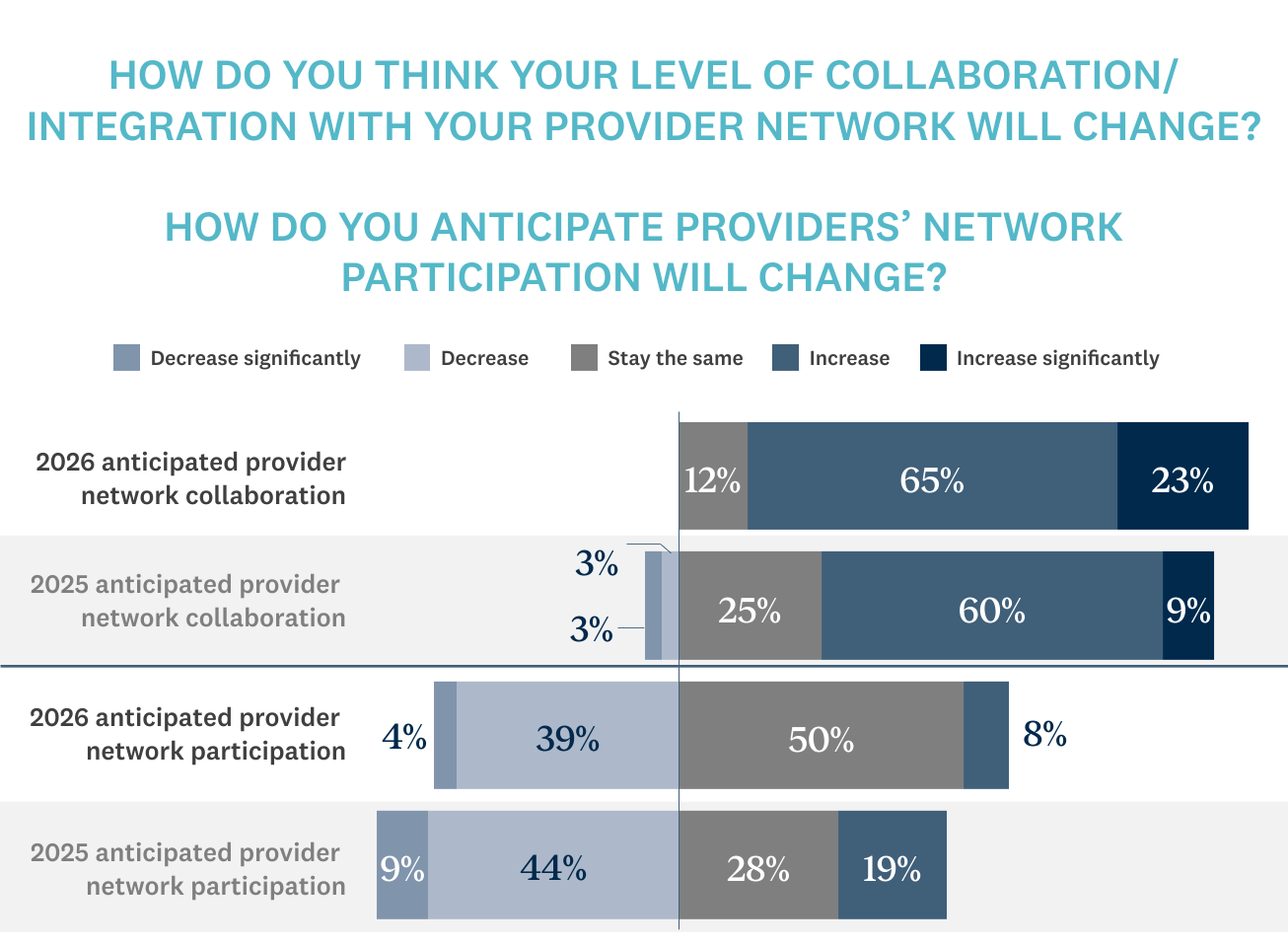
Payer-provider dynamics: Nearly 90% of leaders anticipate more collaboration and integration with providers

MA leaders increasingly recognize the need to find common ground and work with providers more effectively. Nearly 90% of leaders anticipate an increase in collaboration. Fewer leaders expect a decrease in providers’ network participation relative to last year (43% vs. 53%).  

Leaders are facing a double-edged challenge: They must deepen partnerships with aligned providers and simultaneously mitigate participation risk that reimbursement pressure and administrative burden are driving. These results could be a sign that the payer-provider arms race is reaching a tipping point that will bring parties to the table to align on value. 

Industry outlook: Leaders’ perspectives of the MA landscape  

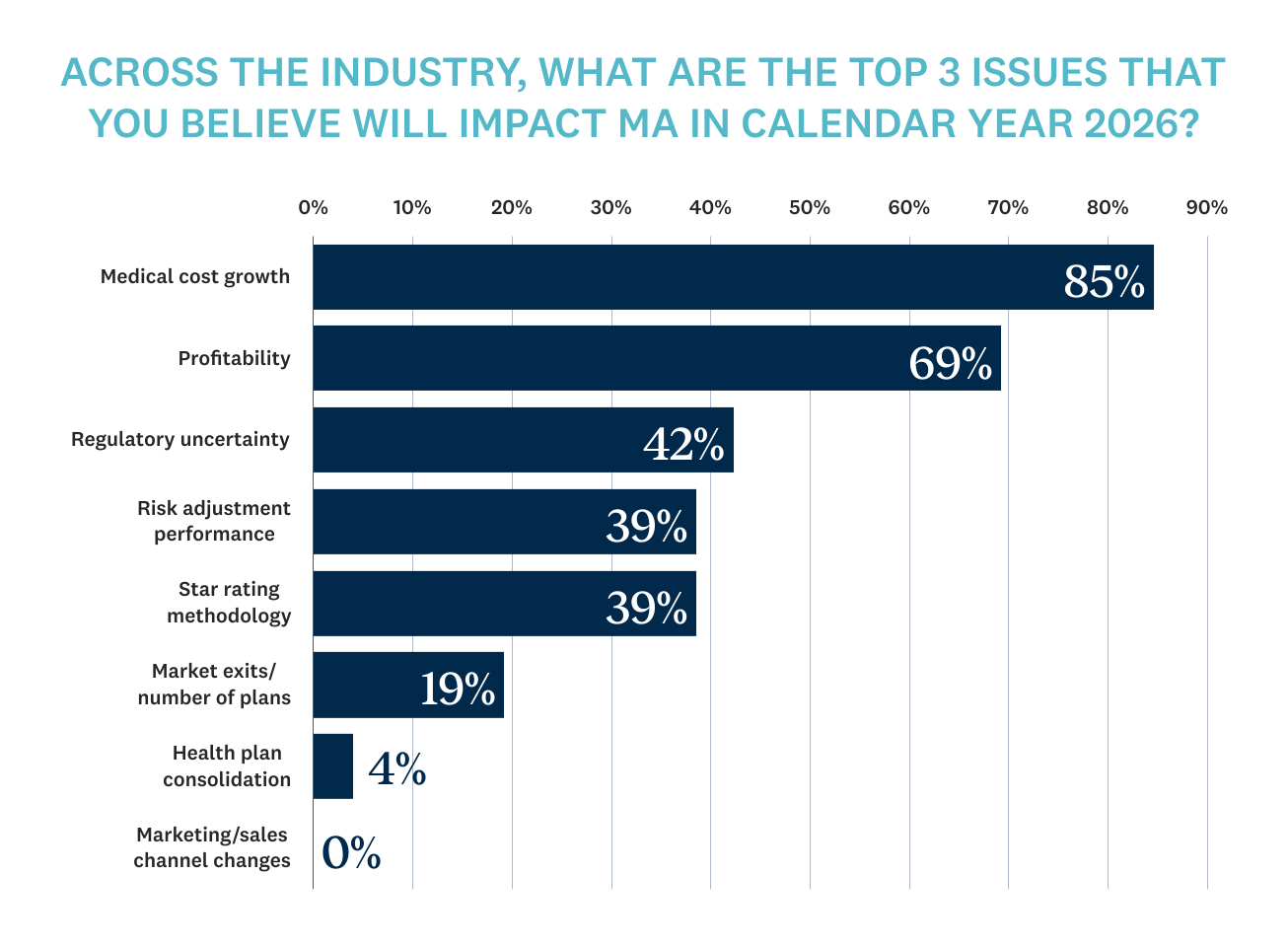
Top 3 issues impacting MA in 2026: medical cost growth, profitability, and regulatory uncertainty  

External factors like medical cost growth, overall profitability, and regulatory uncertainty dominate leaders’ concerns about the MA line of business overall. While the fundamentals of risk adjustment and Star Ratings remain important as part of the broader margin equation, the near-term MA strategy will focus on bending the cost curve, improving revenue integrity, cultivating pricing discipline, and ensuring operational execution. 

Industry enrollment outlook: Growth expectations are mixed 

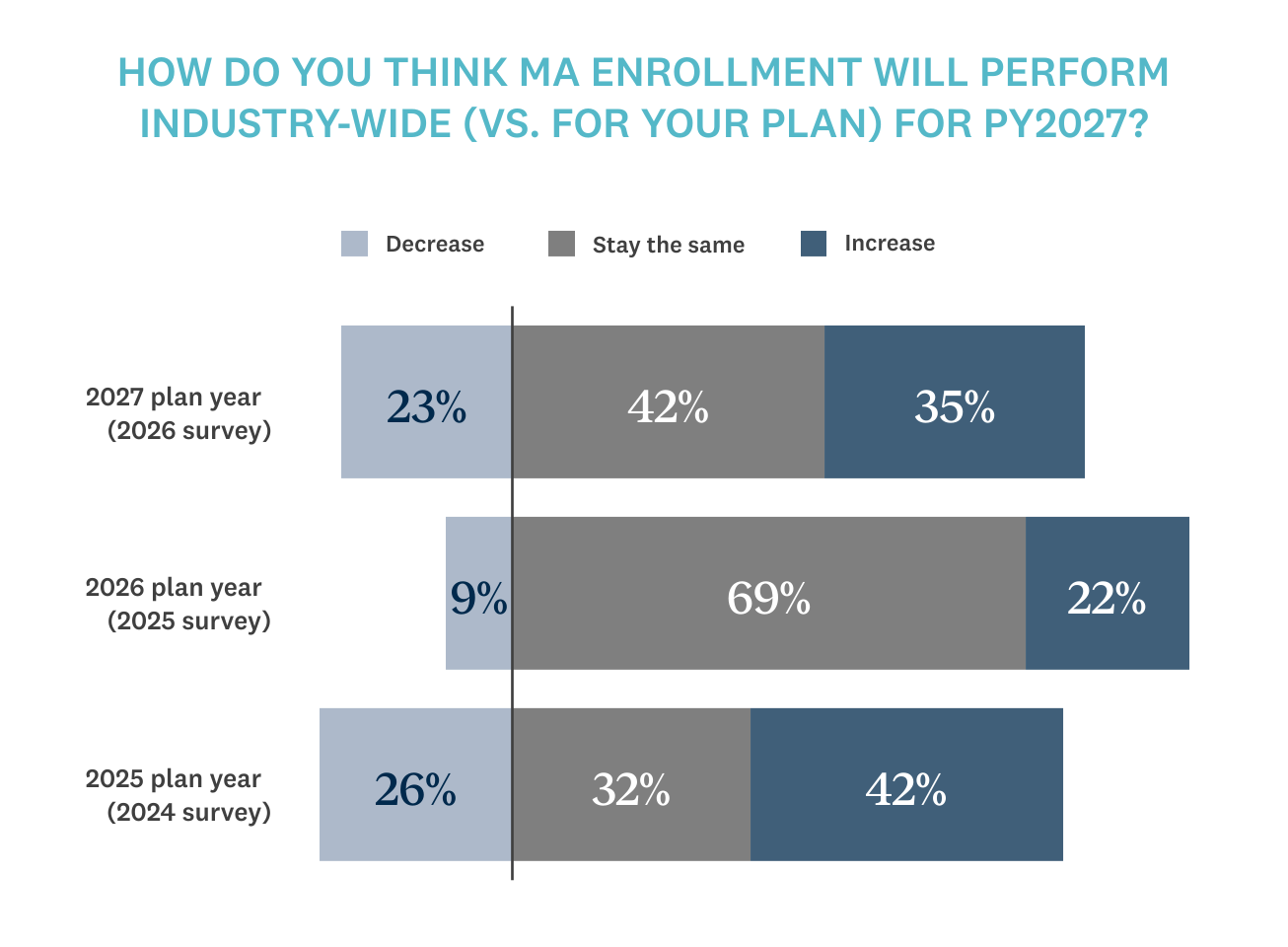
Expectations about market-wide enrollment outlook are mixed. Nearly a quarter of leaders (23%) indicated that they expect overall MA enrollment to decline in PY2027—a meaningful shift from last year’s survey, in which only 9% projected industry-wide enrollment decline. On the other hand, 77% of leaders believe the market will hold steady or continue to grow, albeit perhaps at a lower rate than previous years.  

This outlook for industry enrollment growth is contrary to leaders’ expectations of their own organization’s membership growth, which most leaders expect to remain flat or decline. Market deceleration, margin pressure, benefit pullbacks, and market exits have taken hold and are likely contributing to the dampened outlook. 

5-year outlook: Leaders remain bullish on the industry  

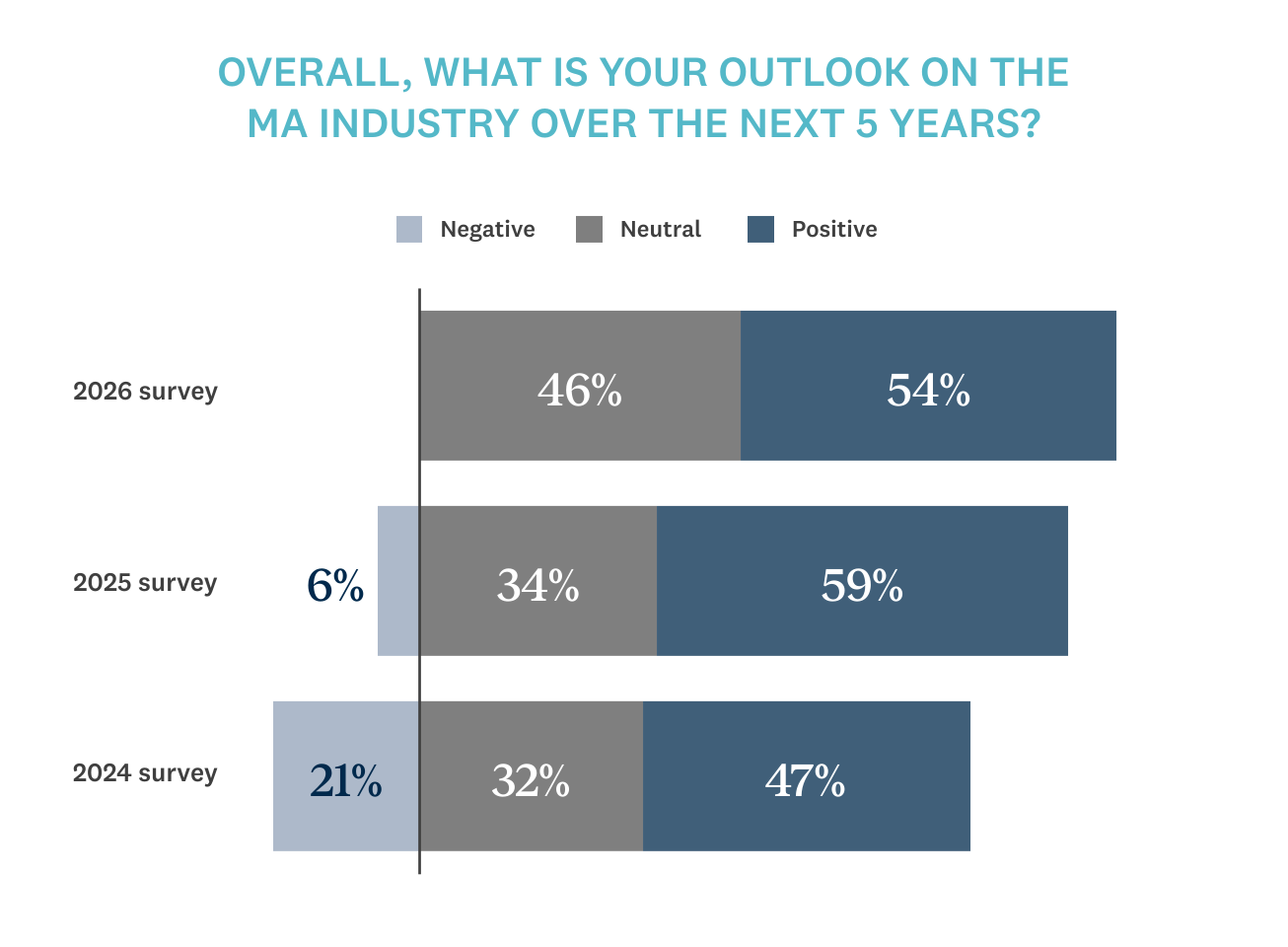
Given leaders’ responses to questions around market participation, financial sustainability, and enrollment and benefits forecasts, the market is clearly in a challenging moment. However, respondents remain generally optimistic about the future of MA over the next 5 years. While the portion of leaders expressing a positive outlook has contracted marginally, no leaders indicated a negative 5-year outlook.  

Overall, this reflects a slightly more bullish forecast for the industry, which could signal that the market has reached an inflection point. Leaders want to stay in the market, but achieving the longer-term positive outlook will require significant changes. 

Structural change: Leaders view payment benchmarks as the primary barrier to long-term sustainability

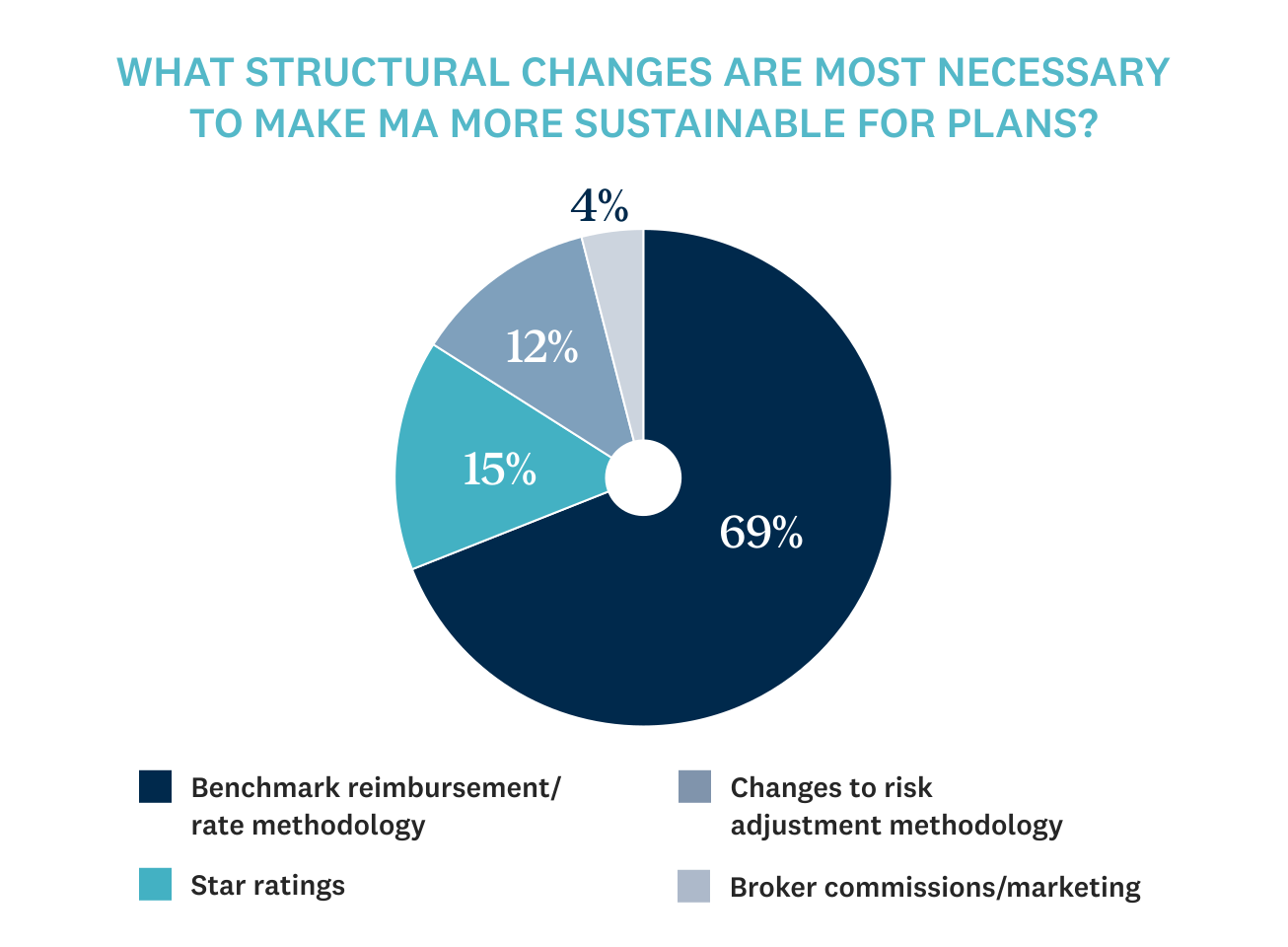
Nearly 7 in 10 MA leaders identified benchmark reimbursement and rate methodology as the most necessary structural changes to improve program sustainability—far outweighing Star Ratings and risk adjustment. This concentration of responses suggests that leaders view current financial pressures as structural rather than cyclical, with health plans struggling to balance rising medical cost against constrained revenue.  

Absent meaningful changes to payment rates, MA leaders will likely continue pulling back on benefits, narrowing networks, and reassessing market presence to restore sustainability. 

Considerations for health plans 

  • Make explicit stay-or-exit decisions. MA leaders must clearly assess whether they have a viable path to sustainable margin. This will require difficult decisions about where to double down, selectively retrench, or exit to protect enterprise value. For health plans that decide to leave the market, leaders should consider whether there is a path to monetize all or parts of the business.
  • Adopt a multi-year profitability mindset focused on core performance levers. For health plans that decide to stay, margin recovery will require more than short-term fixes. It will require coordinated, multi-year turnaround efforts across strategy, product, and the supporting operating model. Sustainable improvement depends on programs that focus on revenue and cost levers. These programs need clear ownership, defined success metrics, strong governance, and analytics to deliver consistent results.   
  • Evaluate benefit return on investment (ROI). As benefit richness contracts, health plans must shift to offering targeted benefit strategies that demonstrably support retention, quality, and cost control. Health plans will need to manage supplemental benefits as investments rather than marketing tools.
  • Strengthen provider partnerships for impact, not scale. Deeper collaboration with fewer, more aligned providers will be essential to manage medical cost trends and improve member outcomes. Interoperability, shared accountability, and value-based models should take precedence over network breadth.
  • Engage proactively on policy sustainability. As regulatory action reshapes the MA market, health plans must actively influence the policy environment. Health plans can push for predictability in benchmarks, risk adjustment, and Star Ratings through coordinated advocacy campaigns and compelling member storytelling. These actions can effectively demonstrate how volatility can lead to member disruption—affecting benefits, access, and health outcomes. Securing long-term stability protects value for members. 

MA is at an inflection point: The era of growth at all costs is decidedly over. The next chapter will favor organizations that are willing to make hard decisions, reimagine their product portfolio, and invest in transforming the capabilities needed to materially strengthen MA performance levers that will enable sustainability.  


Survey methodology  

In January 2026, HealthScape surveyed leaders responsible for Medicare Advantage at more than 35 health plans across the country, including nationals, Blues, and provider-sponsored plans. HealthScape compared survey responses to those of previous years to understand trends and shifts in sentiment or perspective.

Contributors: Eli Traub

Related insights

Get in touch

Contact us

Let us help you drive meaningful change ​

contact our team
HealthScape Advisors

About us

We help clients reshape healthcare for the better​

Explore