


2026 Medicare Advantage supplemental benefit landscape analysis
Executive summary
The role of supplemental benefits is being redefined as Medicare Advantage (MA) organizations close out one of the most challenging years in recent memory. Mounting financial pressures and regulatory uncertainty have forced difficult trade-offs that will extend into 2026, a year marked by the first projected MA enrollment decline (based on bid projections) in more than a decade. Centers for Medicare & Medicaid Services (CMS) leadership has also heightened its call on beneficiaries to shop their coverage more actively than ever.
As supplemental benefit portfolios evolve from expansion to optimization, understanding where plans are investing, contracting, or innovating provides critical insight into how the market is repositioning for 2026 and how plans need to prepare for 2027. We examine the supplemental benefit landscape for Plan Year 2026 and profile the emerging trends that may shape the years to come.
Key findings:
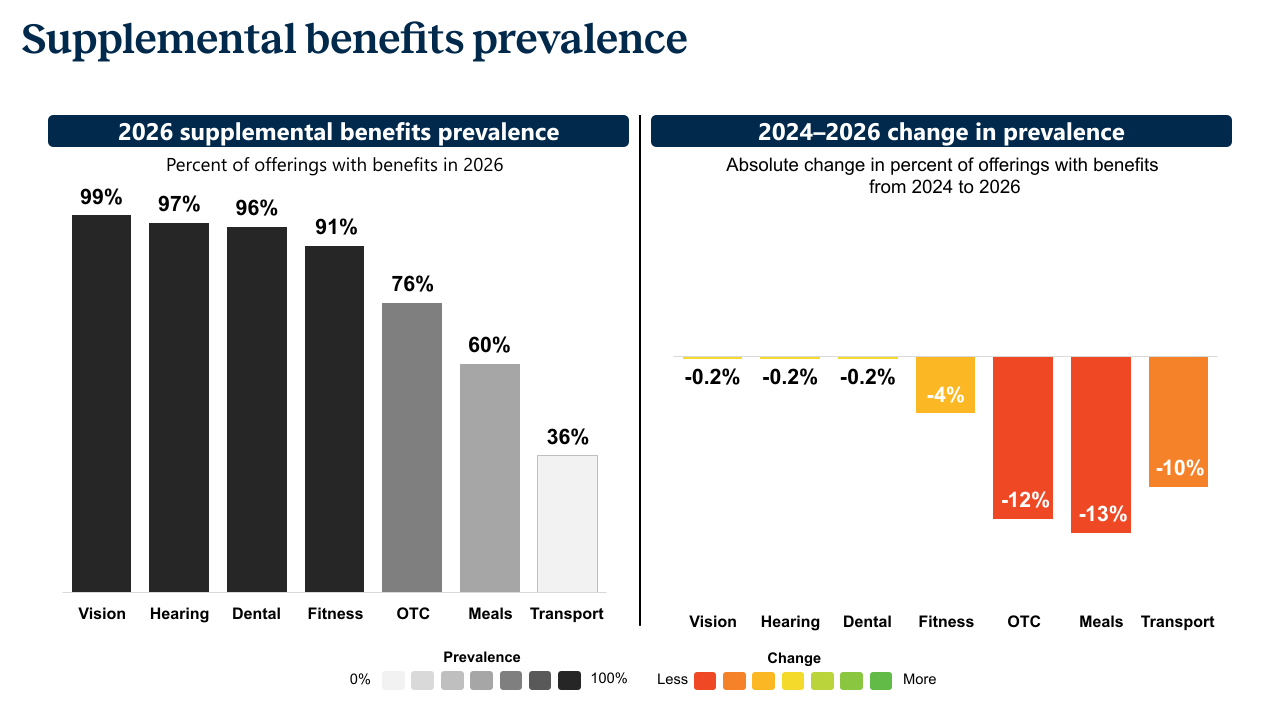
- Core supplemental benefits are table stakes, but delivery on perceived value is not. Core supplemental benefits have nearly reached saturation in 2026, with almost all plans offering some level of vision (99%), hearing (97%), and dental (96%) coverage. The competitive frontier has shifted from whether plans offer these benefits to how effectively they deliver perceived value.
- Non-core benefit contraction signals shift toward precision over proliferation. Contraction in prevalence of non-core benefits (e.g., OTC, meals, transportation) signals a shift toward selective, high-impact benefit investment that aligns with evolving member engagement priorities.
- Nationals often set the competitive tempo. Market dynamics reflect a leader–follower pattern among entity types, with nationals often making the first strategic moves. Their early shifts tend to reset competitive baselines, prompting others to recalibrate in pursuit of sustainable growth.
Success will require granular market insight, intentional differentiation, and a focus on measurable member value. Plans must align benefit portfolios with local dynamics and invest in analytics to sustain competitiveness. This report provides a concise analysis of these trends and actionable recommendations for health plan and supplemental benefit company executives.


High-level trends in supplemental benefits
Core benefits remain universal, but perceived value is shifting
In 2026, core supplemental benefits (dental, vision, hearing) remain table stakes, while non-core benefits largely continue to contract.
- Core benefits as baseline: Nearly all plans continue to offer some level of vision (99%), hearing (97%), and dental (96%) coverage in 2026, underscoring their status as essential benefits rather than differentiators.
- Evolving differentiation in non-core benefits: OTC allowances (76%) and meal benefits (60%) remain common in 2026, though prevalence has contracted substantially since peaking in 2024. Transportation benefits continue to serve as a differentiator for targeted populations, with more than one-third of plans maintaining them.
However, prevalence alone doesn’t tell the full story. The true impact depends on the robustness of coverage, including the scope, dollar value, and accessibility of offerings.
Plan and entity type patterns
Population needs drive non-core benefit prevalence
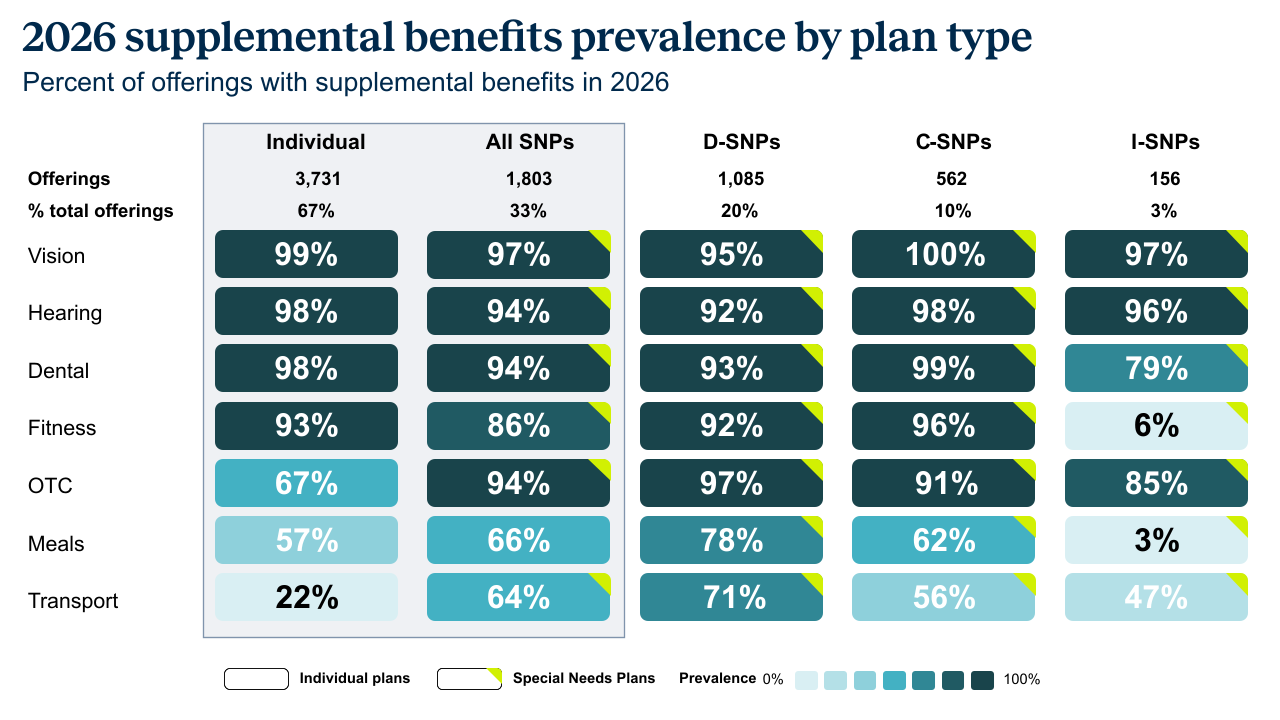
Both individual plans and Special Needs Plans (SNPs) maintain high prevalence of core benefits, with the exception of dental offerings in Institutional Special Needs Plans (I-SNPs). The breadth and depth of non-core offerings, however, vary by plan type due to population focus.
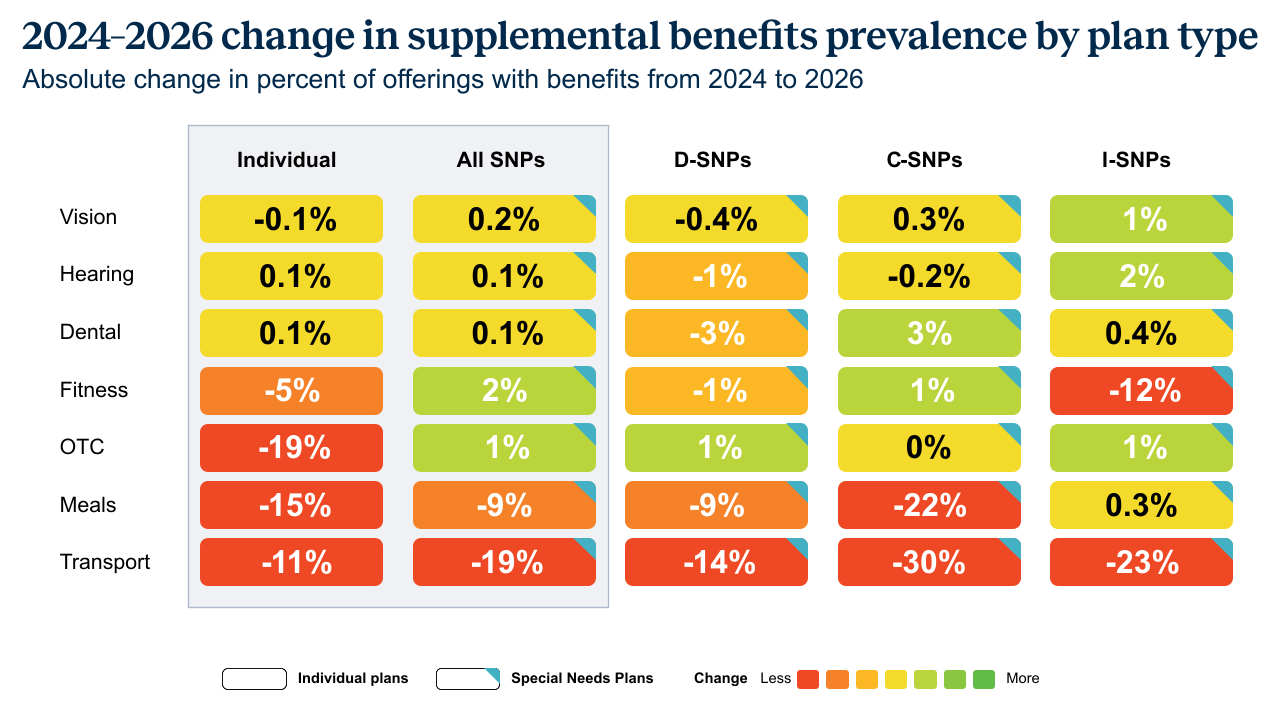
- Individual plans: These plans emphasize table stakes benefits but have scaled back on non-core benefits, likely due to cost pressures.
- SNPs: Non-core benefits remain important to the strategy of Dual Special Needs Plans (D-SNPs) and Chronic Special Needs Plans (C-SNPs). But aside from OTC, the prevalence of those benefits has contracted. This signals a recalibration and retrenchment.
Together, these shifts illustrate a broader market recalibration from broad supplemental benefit proliferation toward more targeted, population-specific benefit design that balances affordability, utilization, and member impact.
Benefits portfolios are shaped by growth and sustainability tradeoffs
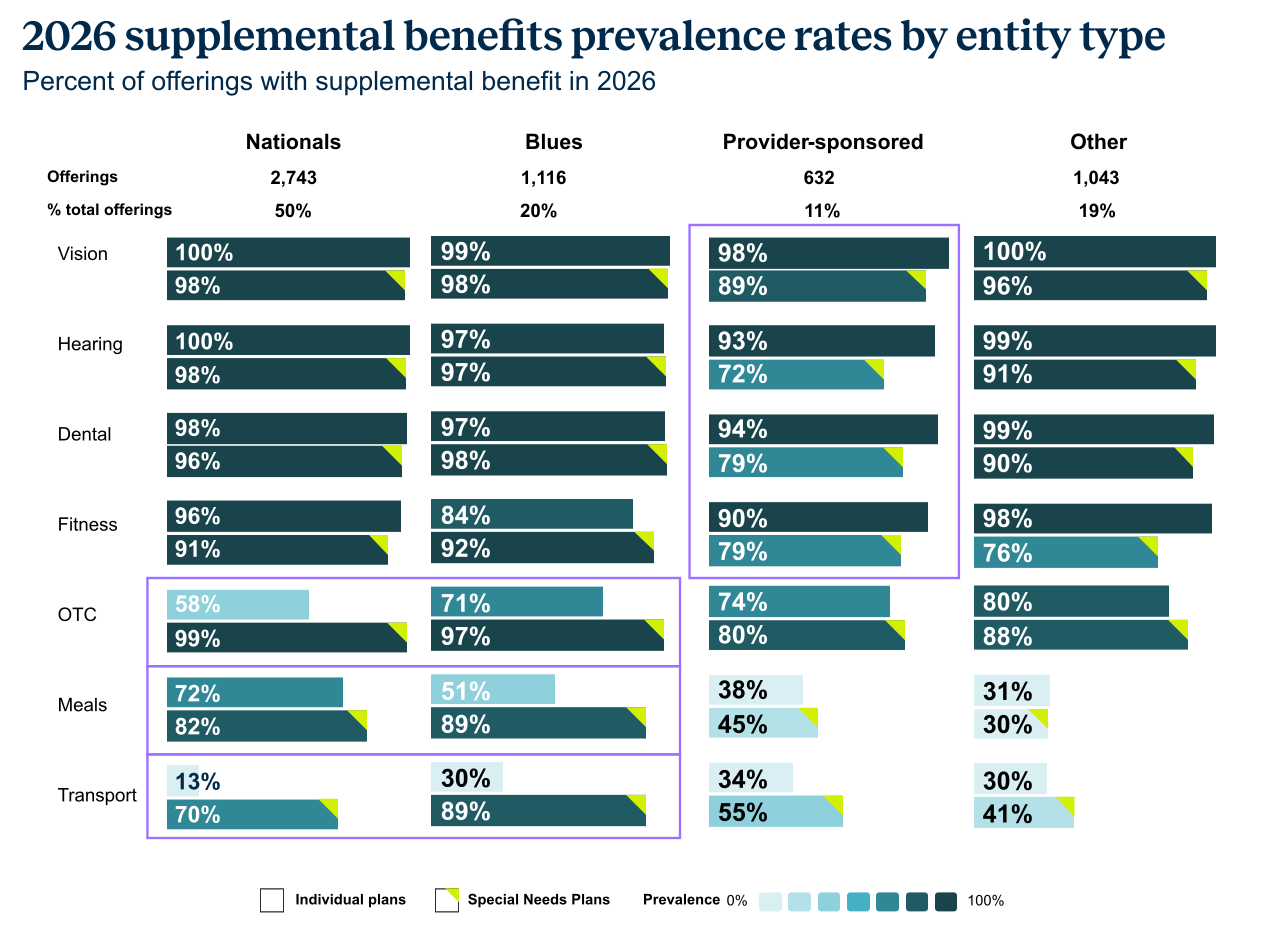
Variation in 2026 supplemental benefit design reflects where entities sit along the growth-sustainability continuum. Some plans place greater emphasis on their supplemental benefits portfolio to support competitive positioning and member growth objectives, while others show more variability as they balance continued benefit investment with financial performance and long-term sustainability priorities.
- PSPs show greater variability in core benefits: While provider-sponsored plans (PSPs) include core benefits in individual plans, they do so at rates slightly lower than other entity types. This trend is more pronounced in SNPs, with PSPs having lower overall benefit inclusion rates in SNPs compared to other entity types.
- OTC, health-related meals, and transport are more common among nationals and Blues plans: Nationals and Blues plans consistently offer OTC allowance in SNPs and provide health-related meals and transportation benefits at higher rates than other entity types. However, while their SNP products frequently include transportation benefits, nationals offer this benefit far less often in individual plans.
Dental benefits
Dental benefits show modest retrenchment
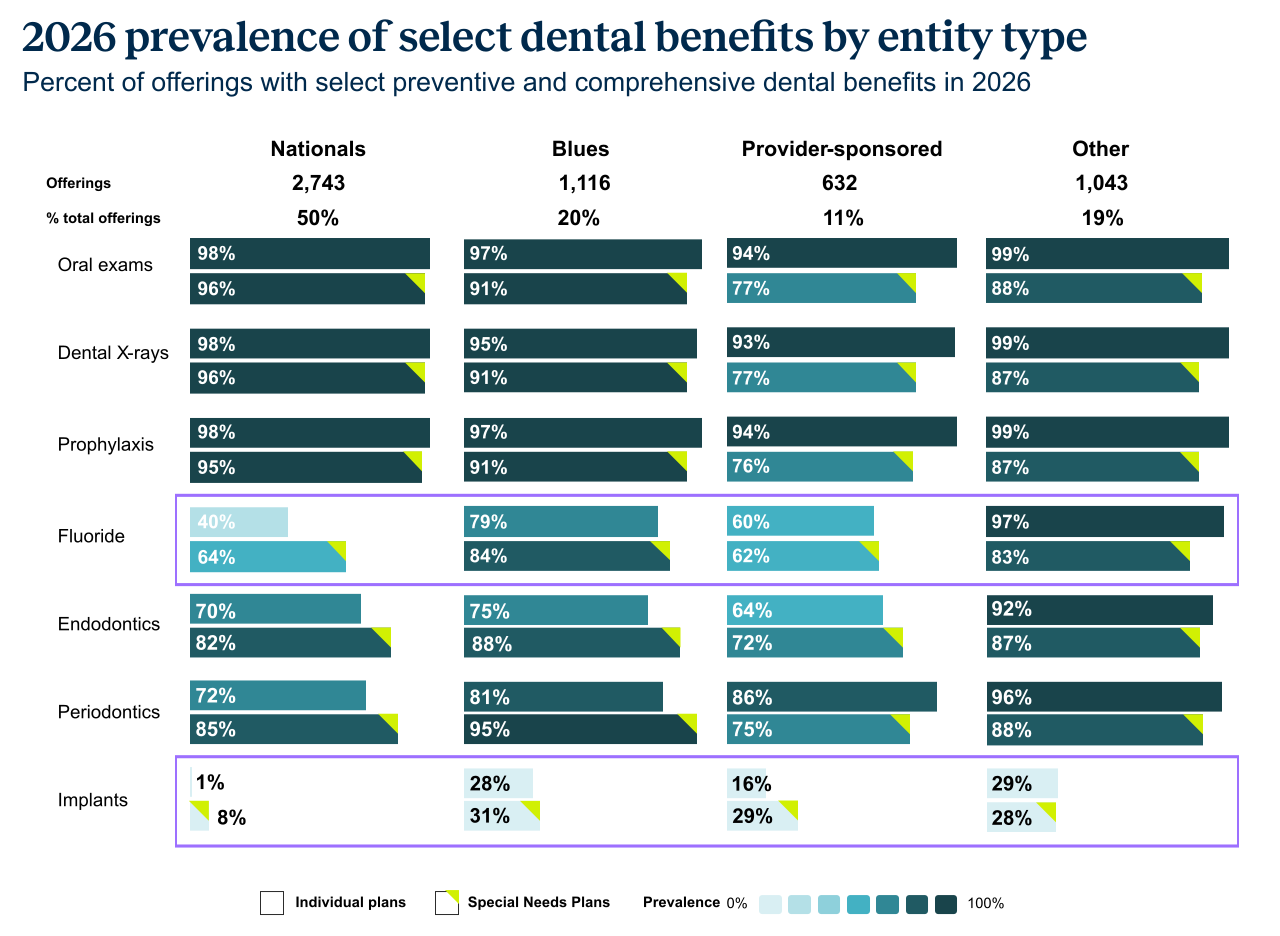
Nearly all offerings continue to include some preventive and comprehensive dental benefits for both individual plans and SNPs, though most plan types have seen slight declines in prevalence.
Given the impact of oral health on overall health, especially for those with chronic conditions, MA plans must maintain robust dental coverage, ensuring full Current Dental Terminology (CDT) code set inclusion within covered categories and aligning dental benefits with broader health needs.
- Fluoride: Coverage varies widely and continues to decline overall. Some nationals have removed fluoride from most offerings, while other prominent plans have moved to include it in all or most offerings this year.
- Implants: Prevalence remains low, with several nationals reducing this benefit over the past few years. In the aggregate, the prevalence rate of implants among Blues plans was higher than that of the nationals.
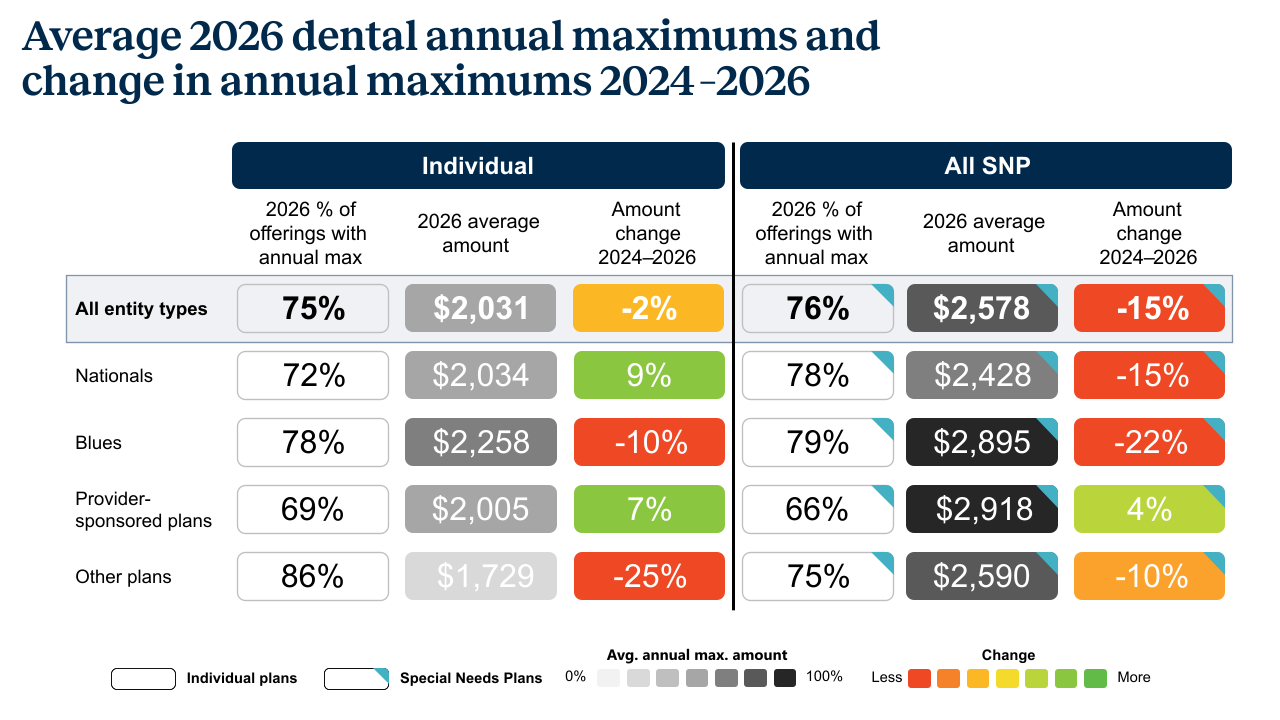
- Annual maximums: About 75% of plans deploy annual maximums in 2026, and average amounts have declined in both individual plans and SNPs since 2024, by 2% and 15%, respectively.
Vision benefits
The true value of vision benefits depends on experience
Nearly all plans offer eye exams, typically with no copayment, and vision materials benefits are common. Differentiation depends on provider network breadth and member experience. Notably, plans may need to enhance pre-appointment cost transparency tools to prevent member out-of-pocket surprises.
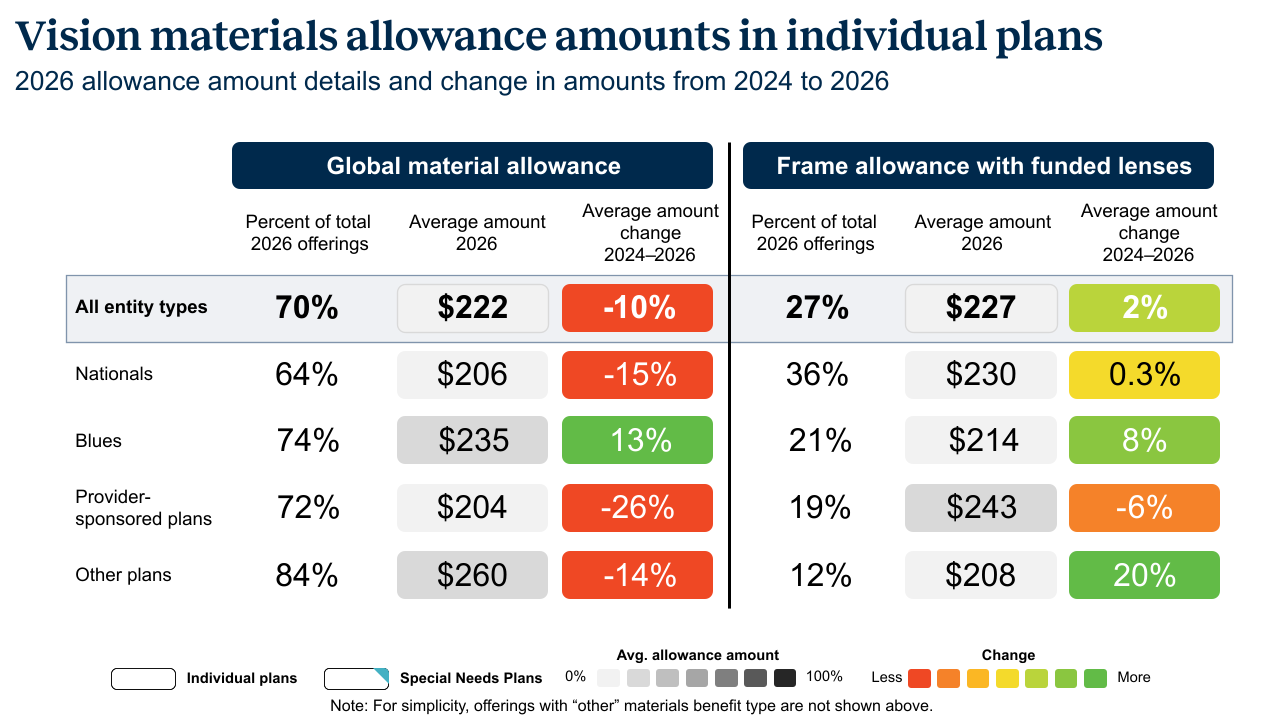
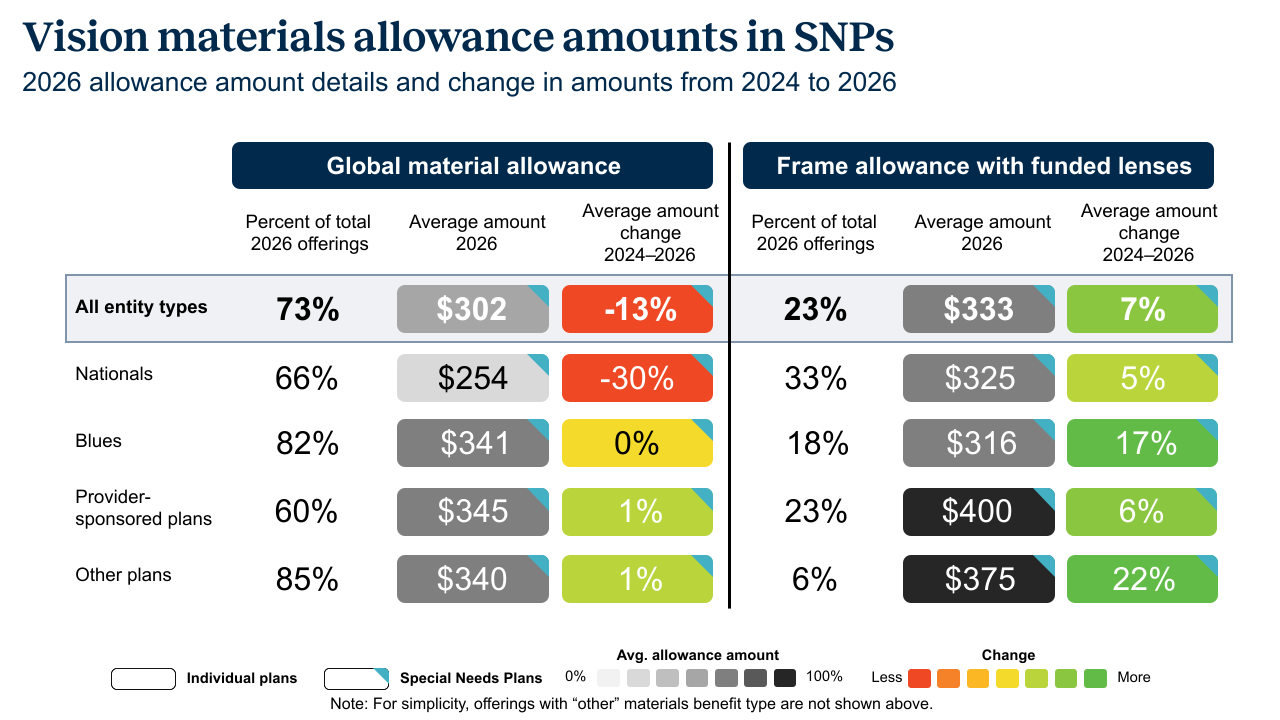
- Materials benefit structure varies: Most offerings provide a global materials allowance or frame allowance with funded lenses. Only a few offerings use alternative designs (e.g., free pair).
- Benefit richness trends: Overall richness of materials coverage has declined, though SNPs continue to provide more generous benefits than individual plans. From 2024 to 2026, global materials allowance amounts decreased by 10% for individual plans and 13% for SNPs. Conversely, frame allowance amounts have modestly increased, potentially offset through lens formulary or lens cost-sharing adjustments.
Hearing benefits
As with vision, hearing benefits can be differentiated through experience
Hearing benefits remain largely standardized, though plans can stand out through concierge member experience capabilities, given the challenges of hearing loss.
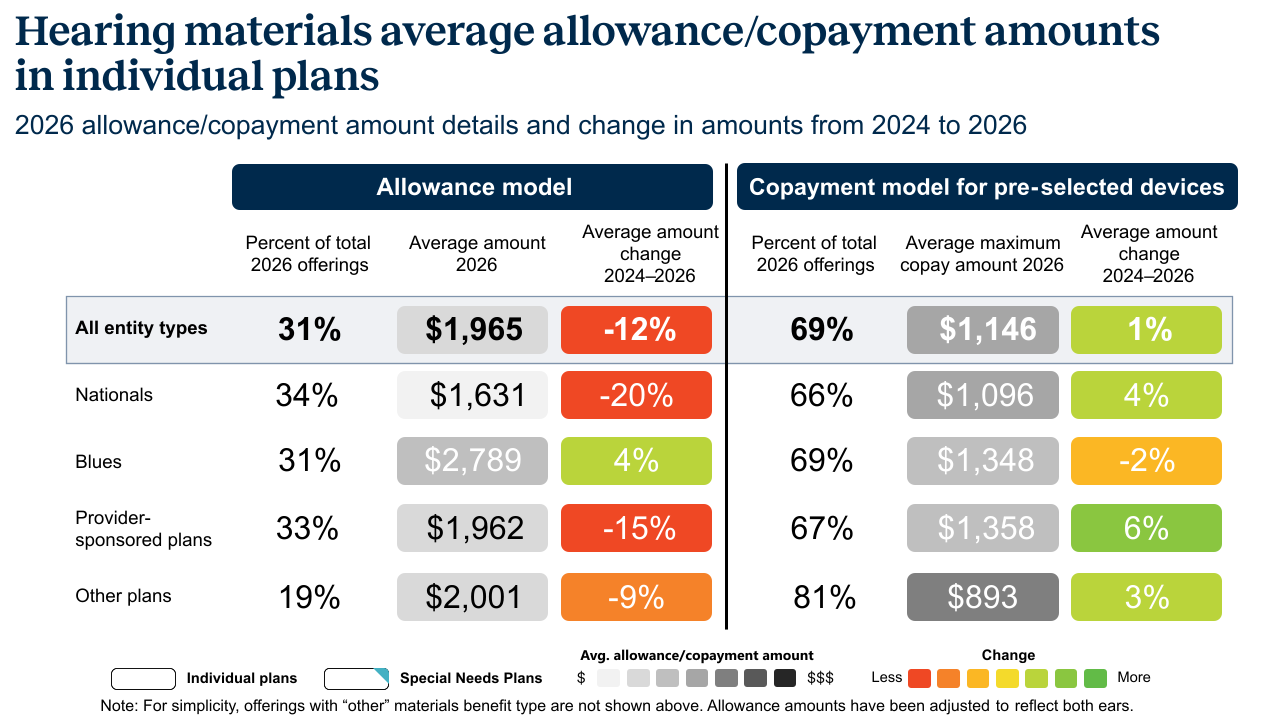
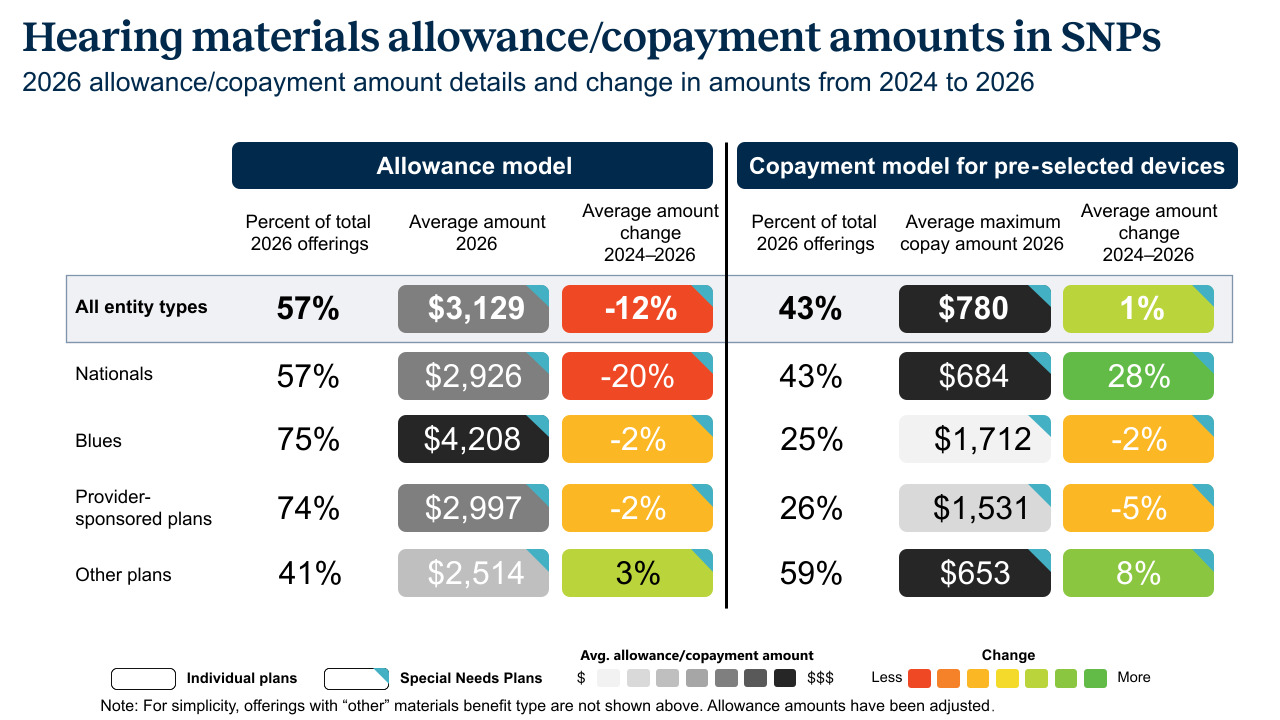
- Benefit prevalence: Routine hearing exams remain nearly universal and typically require no cost sharing. Prescription hearing aid coverage is similarly prevalent. OTC hearing aid coverage, introduced in 2025, remains more limited and is available in only 34% of individual plans and 44% of SNPs.
- Allowance models: Allowance-based designs for materials, used by 30% of individual plans and 57% of SNPs, saw declines of 12% from 2024 to 2026, driven largely by significant reductions among nationals. Blues plans maintain comparatively higher benefit levels.
- Copayment models: Copay-based structures, which require members to select devices from a defined set of options, have remained more stable in value. This is because copayment models often reflect negotiated discounts passed through to members rather than a true plan-funded benefit.
Other benefits
Part B Giveback reflects use as a marketing lever
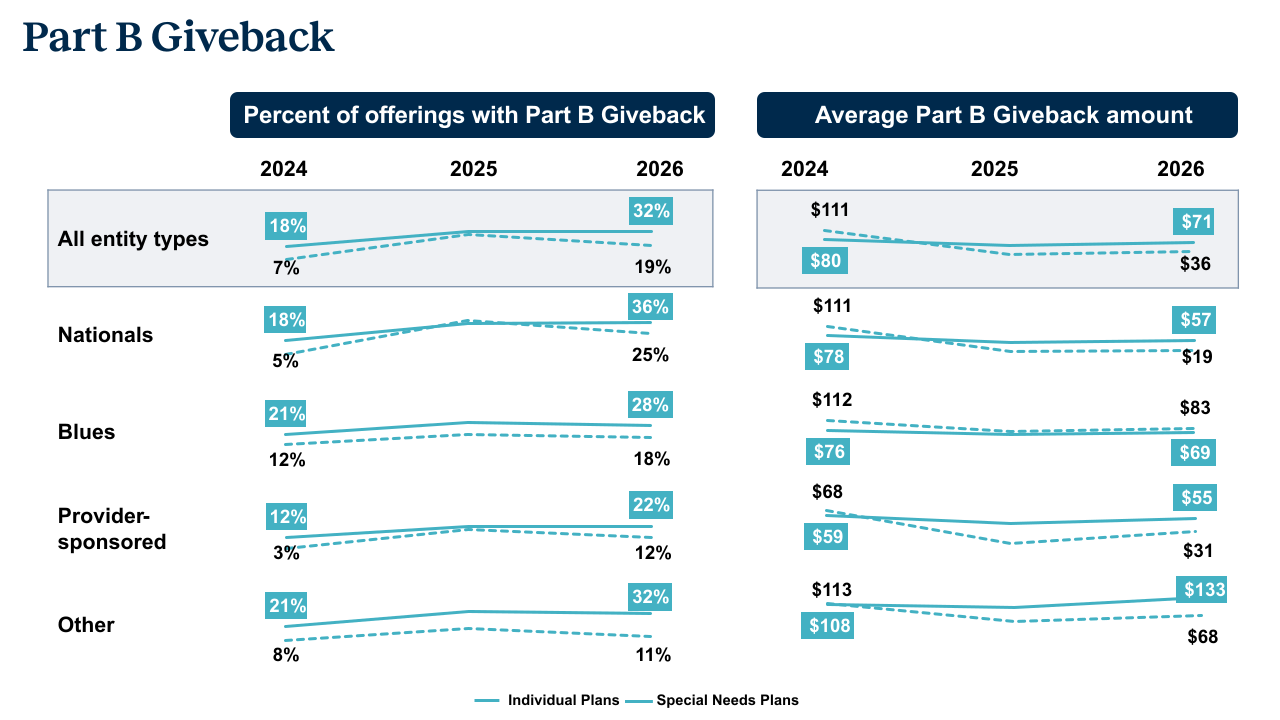
The prevalence of the Part B Giveback benefit continues to expand, though average rebate amounts remain modest. In 2026, 32% of individual plans and 19% of SNPs include the benefit, up from 18% and 7% in 2024, respectively. Over the same period, average rebates decreased slightly in individual plans and more sharply in SNPs.
This trend underscores growing competitive pressure around perceived affordability, particularly in individual plans. However, the modest rebate levels may suggest carriers use Givebacks more as marketing differentiators than meaningful sources of member value.
Value of enhanced preventive benefits may be challenging to measure
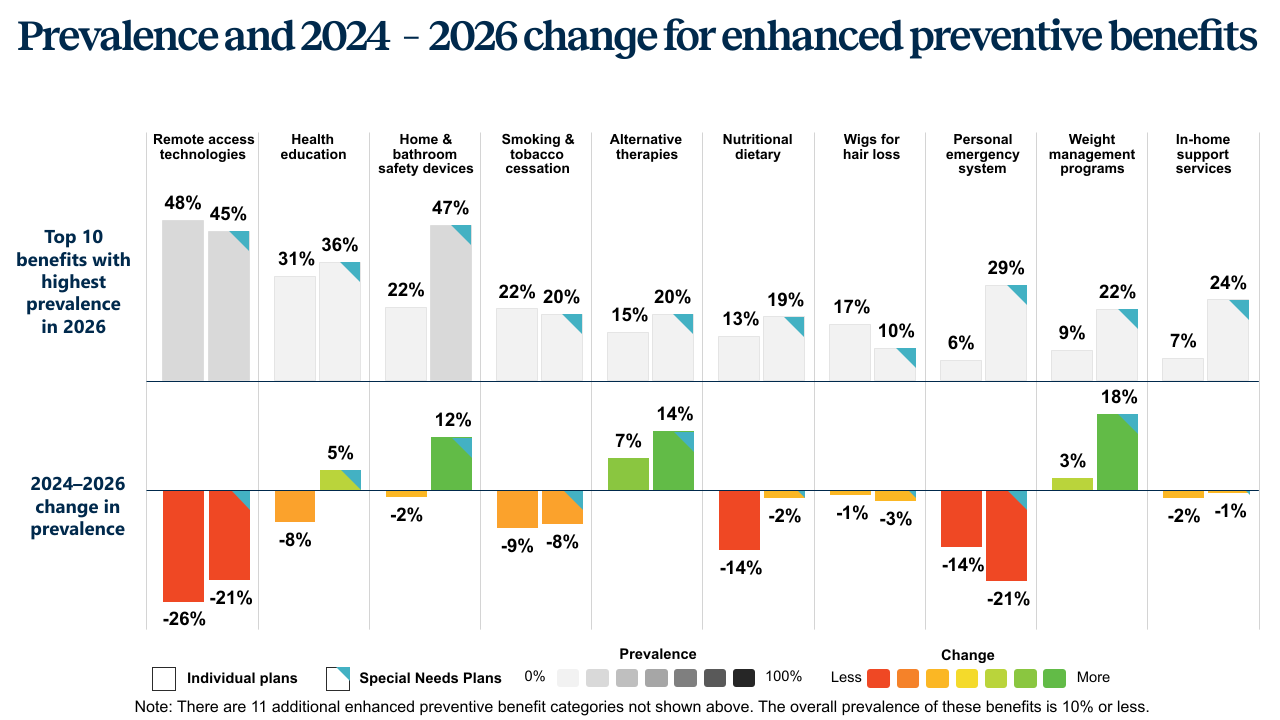
More than 90% of offerings include at least one of the more than 20 enhanced preventive benefits. However, many of the specific benefit categories are included in 10% or fewer of all offerings.
These patterns suggest that many enhanced preventive benefits may have more limited applicability to broader membership segments and that their value is harder to quantify or measure, prompting plans to focus on offerings with clearer, more demonstrable impact.
Strategic implications and actions
Navigate toward 2027 with precision and purpose
As plans look to 2026 Annual Enrollment Period (AEP) and Open Enrollment Period (OEP) results, monitoring how members respond to these benefit trends will be critical. Understanding what drives shopping versus switching will be essential to effectively product plan in 2027.
One thing is clear: the 2027 planning cycle demands precision, not proliferation. Plans must align benefit portfolios with local market dynamics, member behavior, and proven value to sustain both competitiveness and impact. At the same time, maintaining strong Star ratings will also be vital to support supplemental benefit portfolios that drive differentiation.
Recommendations:
- Move from broad strategy to local precision. As core benefits standardize, differentiation will hinge on local market insight and strategic agility. Winners will translate national strategy into micro-market precision.
- Deliver on the member experience promise. Experience-minded consumers increasingly scrutinize perceived value and usability over simple benefit inclusion. Understanding how experience drives shopping and switching will be critical as experience is the true differentiator.
- Invest in analytics to measure what matters. Competitiveness will depend on quantifying each benefit’s impact on member retention, member lifetime value, Star ratings, and health outcomes. Plans that invest in analytics and targeted benefit optimization will gain sustained advantage. A data-driven approach informs resource allocation and enables strategic rebalancing toward benefits with the highest measurable impact.
As the market evolves, plans that combine analytical rigor with local agility will be best positioned to turn benefit strategy into sustained, measurable advantage.
Annual MA analysis
Look for our annual MA analysis as we assess enrollment shifts and competitive positioning when AEP data becomes available.
Summary:
- Highly prevalent, nearing saturation.
- Slight decline in annual maximums over past 2 years (steeper in SNPs).
- Wide variation in fluoride coverage (some plans dropping, others adding).
- Limited coverage of implants, particularly by nationals.
- Offer comprehensive CDT codes coverage within benefit categories.
- Align coverage and cost share to broader plan objectives (e.g., periodontics for diabetic-focused plans).
- Integrate oral health into chronic condition prevention and management.
- Growth of minimally invasive care.
- Development of senior-friendly care models and network constructs.
- Advancements in medical-dental integration in areas such as sleep apnea.
- Highly prevalent, nearing saturation.
- Continued adoption of no-cost routine eye exams.
- Decline in richness of eyewear allowances.
- Offer members freedom to choose preferred providers.
- Use transparency tools to clarify out-of-pocket costs.
- Better align routine vision and medical optometry networks to support smooth care transitions.
- Shifts in benefits or richness if CMS removes the diabetic eye exam Star measure in 2029.
- Clearer quantification of broader health impacts of routine vision care.
- Highly prevalent, nearing saturation.
- Decline in richness of hearing aid allowances.
- Enhance concierge-style member experience.
- Leverage innovation in hearing devices.
- Quantified value proposition in relation to mental health and fall prevention.
- Decline in prevalence, especially in individual plans.
- Further tailor supplemental benefit portfolios to specific member demographics.
- Shift in prevalence and richness as utilization data becomes more visible and margin pressures persist.
Methodology
Findings included here are based on the Centers for Medicare & Medicaid Services (CMS) Plan Benefit Package (PBP) files for Plan Year 2026, retrieved on October 31, 2025. For the purposes of this analysis, we excluded Employer Group Health Plans, 1876 Cost Plans, Medicare-Medical Plans, Private Fee-for-Service Plans, Medical Savings Account Plans, and Program of All-Inclusive Care for the Elderly Plans. Analysis was performed at the Contract-Plan-Segment level of detail (meaning H1234-567-01 and H1234-567-02 count as two “offerings”). Analyses within this report are based on mandatory supplemental benefits (i.e., optional supplemental benefits are not included in calculations).
Most of the analyses included within this report isolate changes between 2024 and 2026 to assess longer-term trends, given the volume of shifts in the past several years. However, some of the changes for dental benefits were assessed between 2025 and 2026, given the benefit category changes that were introduced in 2025.
Contributor: Rachel Ferko, Engagement Manager
Data Contributors: Bianca Chukwueku, Emily Kang
Related capabilities
Related insights


